Archives
- 2018-07
- 2019-04
- 2019-05
- 2019-06
- 2019-07
- 2019-08
- 2019-09
- 2019-10
- 2019-11
- 2019-12
- 2020-01
- 2020-02
- 2020-03
- 2020-04
- 2020-05
- 2020-06
- 2020-07
- 2020-08
- 2020-09
- 2020-10
- 2020-11
- 2020-12
- 2021-01
- 2021-02
- 2021-03
- 2021-04
- 2021-05
- 2021-06
- 2021-07
- 2021-08
- 2021-09
- 2021-10
- 2021-11
- 2021-12
- 2022-01
- 2022-02
- 2022-03
- 2022-04
- 2022-05
- 2022-06
- 2022-07
- 2022-08
- 2022-09
- 2022-10
- 2022-11
- 2022-12
- 2023-01
- 2023-02
- 2023-03
- 2023-04
- 2023-05
- 2023-06
- 2023-07
- 2023-08
- 2023-09
- 2023-10
- 2023-11
- 2023-12
- 2024-01
- 2024-02
- 2024-03
- 2024-04
- 2024-05
-
These results from the present study are summarized in Table
2024-05-17
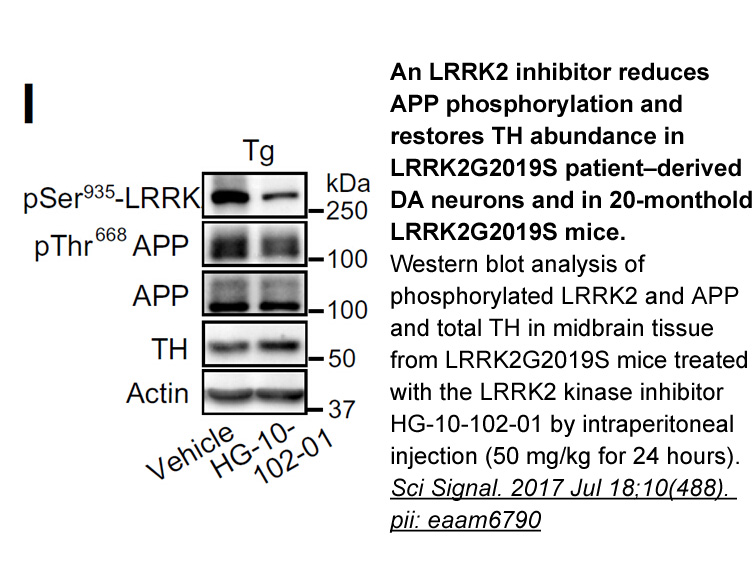
These results from the present study are summarized in Table 1. Eight drugs (doxorubicin, epirubicin, daunorubicin, idarubicin, irinotecan, imatinib, sunitinib and gefitinib) inhibited 5-HT-induced 5-HT3A and 5-HT3AB currents; three (irinotecan, topotecan and mitoxantrone) showed different responses
-
Despite functional studies demonstrating the role of HT in u
2024-05-17
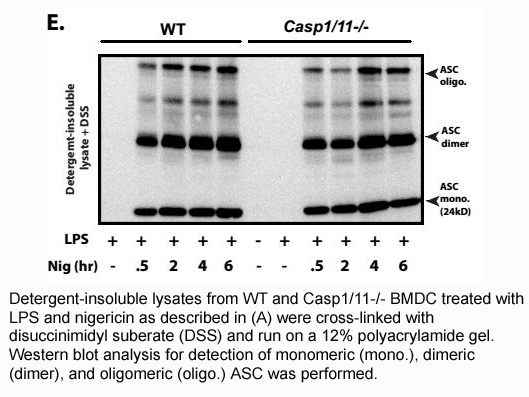
Despite functional studies demonstrating the role of 5-HT in ureteral contractility, the source of endogenous 5-HT in the ureter is unclear. Since 5-HT-containing enterochromaffin cells, which are present in the gastrointestinal tract, could not be found in the ureter (Nocito et al., 2007, Ripoche,
-
The central problem in amnesia developing following
2024-05-17
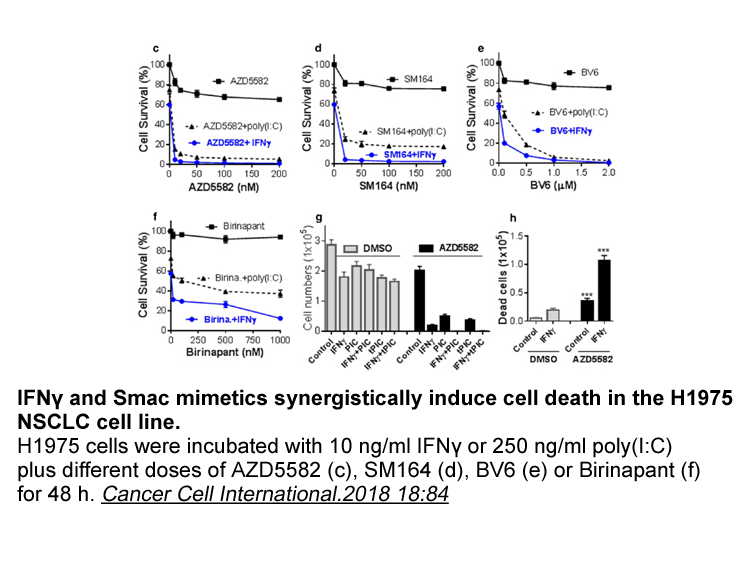
The central problem in amnesia developing following impairment of long-term memory consolidation or reconsolidation is a question of the underlying mechanisms, whether it is caused by impairment of retrieval or memory storage mechanisms [3,8,9,[15], [16], [17], [18]]. To answer this question, severa
-
98014 The theoretical calculations of ADME parameters molecu
2024-05-17
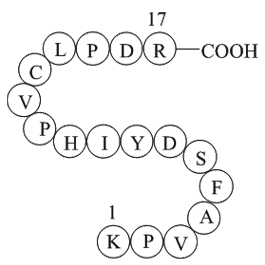
The theoretical calculations of ADME parameters (molecular weight (MW), log P, topological polar surface are (tPSA), number of hydrogen donors (nON) and acceptors (nOHNH), and volume) and DLS are presented in along with the violations of Lipinski’s rule. According to these data, all compounds (–) co
-
In an attempt to complete the overview
2024-05-17

In an attempt to complete the overview of resistance mechanisms in Spanish codling moth populations, the aims of the present work were to assess the actual occurrence of AChE and kdr mutations in codling moth field populations from different pome fruit-growing areas of Spain, concurrently with the f
-
In summary we could identify and
2024-05-17
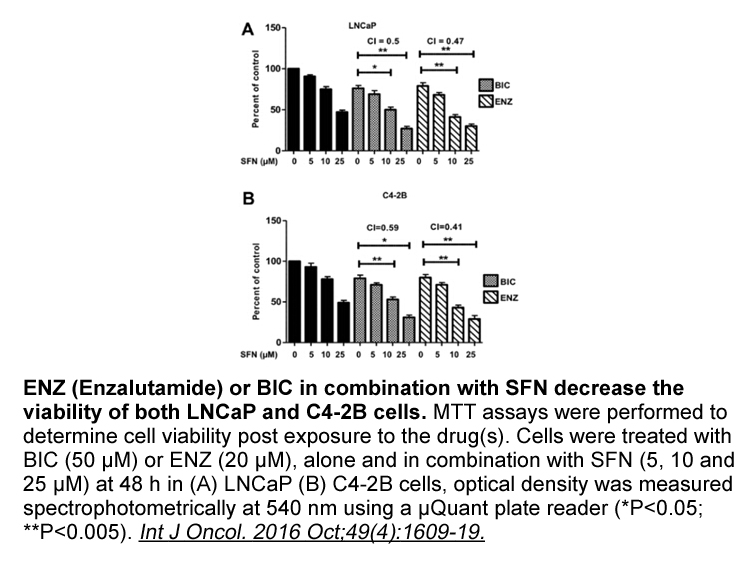
In summary, we could identify and experimentally confirm two novel SBEs within the 5-LO promoter and we were able to demonstrate that TGFβ and SMADs stimulate 5-LO promoter activity. Moreover, an elevated 5-LO expression has been linked to different forms of leukaemia. Therefore, the influence of ML
-
The structure of LO is
2024-05-17
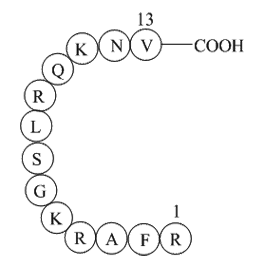
The structure of 5-LO is divided in two domains, the catalytic C-terminal domain and the N-terminal regulatory C2-like domain (C2ld) [59,60]. The C2ld spans the Decoquinate 1-114 and is responsible for translocation and binding of calcium and membranes [61–63]. The catalytic domain is primarily an
-
The exact etiology of BPH is
2024-05-17
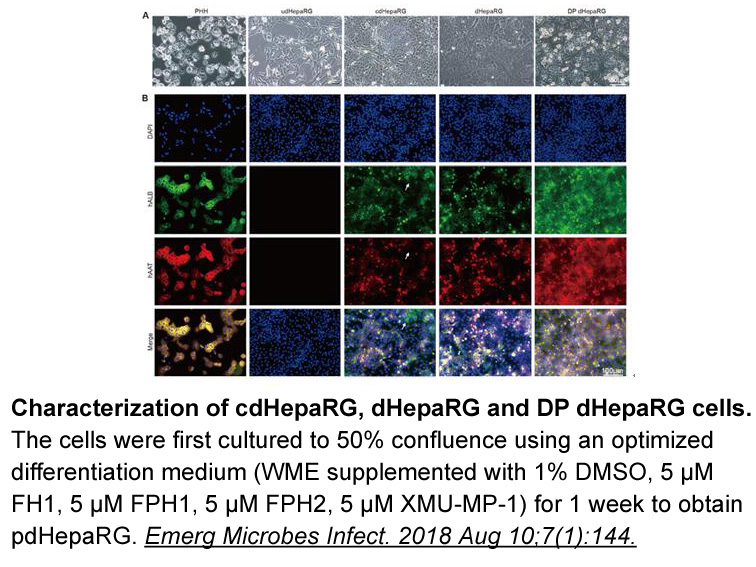
The exact etiology of BPH is not completely understood, however this pathology has been associated with elevated Tiopronin receptor levels of the androgen DHT (10). Thus, a valuable strategy in BHP treatment is the reduction of DHT (10) levels, by inhibiting its biosynthetic production [6], [8]. An
-
AVE 0991 The structural analysis of the ASK
2024-05-16
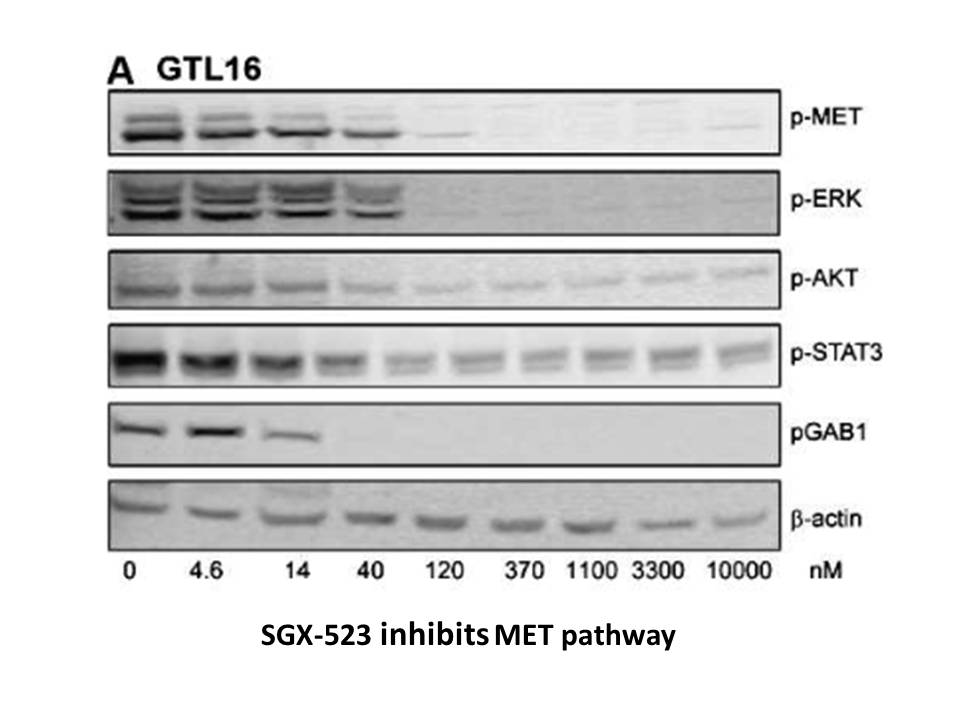
The structural analysis of the ASK1 activation segment, which was not phosphorylated in the crystal structure, showed interactions mimicking those found in activated kinases. In addition, the isolated unphosphorylated ASK1-CD is active and able to autophosphorylate itself at three sites, Thr813, Thr
-
br ASK in multiple sclerosis and optic neuritis
2024-05-16
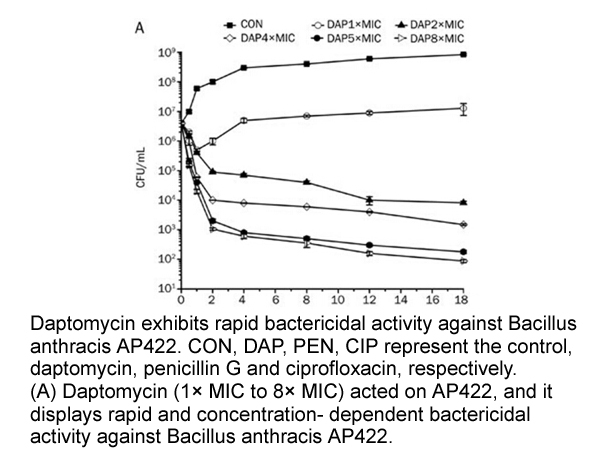
ASK1 in multiple sclerosis and optic neuritis Multiple sclerosis (MS), a chronic inflammatory demyelinating disease of the central nervous system (CNS), is the most common neurological disease among young adults in the United States and Europe (Dutta and Trapp, 2011). Although MS primarily affect
-
The approach of enzymatically converting an analyte and dete
2024-05-16
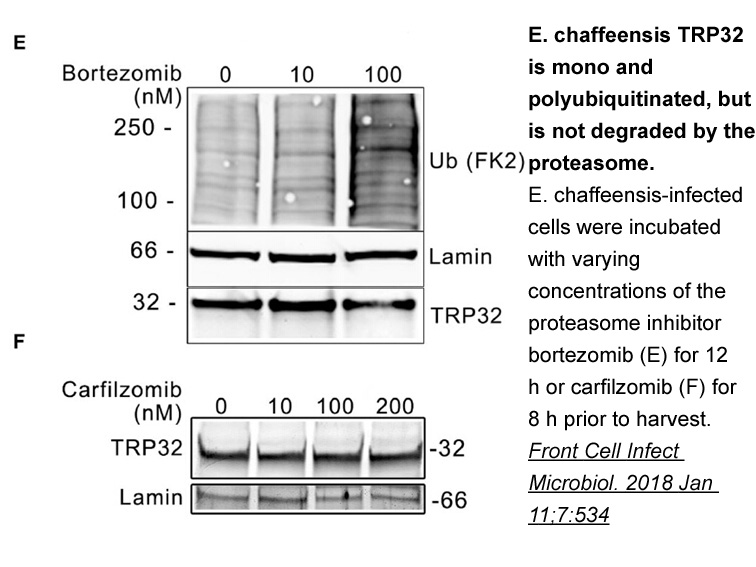
The approach of enzymatically converting an analyte and detecting it by the resulting small pH changes near the reduced graphene oxide (rGO) surface has successfully been pursued in case of urea (Piccinini et al., 2017). Furthermore, this work reported that electrostatic layer-by-layer (LbL) assembl
-
The functional similarity between GPR and
2024-05-16

The functional similarity between GPR25 and APLNR, ie both can be activated by Apelin and Apela and are coupled to Gi-cAMP signaling pathway (Fig. 2, Fig. 3, Fig. 4), strongly suggests that GPR25 signaling may play important physiological and pathological roles in vertebrates more or less similar to
-
Because antioxidants have a strong
2024-05-16
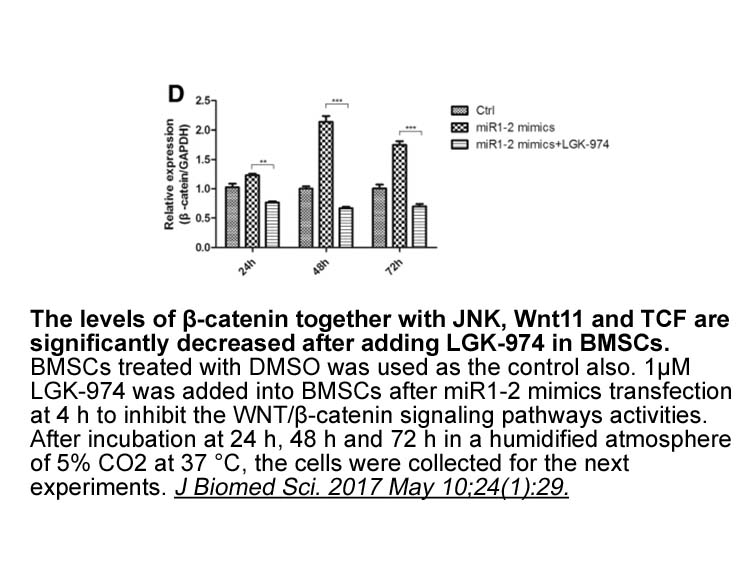
Because antioxidants have a strong radical scavenging efficiency, a mixture of H2O2 and antioxidants should exhibit a much weaker depolymerization process than H2O2 alone. Therefore, we expected the redox behavior of silver could be affected by the presence of the antioxidant. The schematic diagram
-
The electrokinetic remediation technique is carried out
2024-05-16
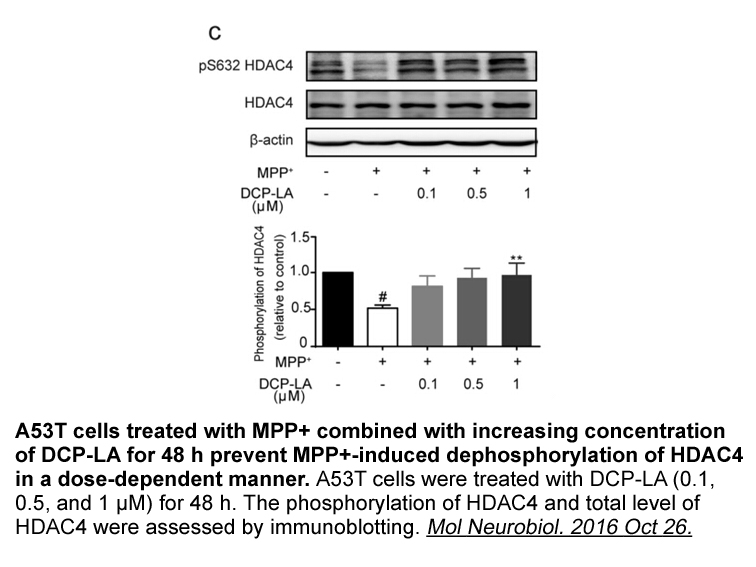
The electrokinetic remediation technique is carried out with a low-level direct current, and the pollutants in soil can be transported and removed by the electric field [19]. This works well even in soil with low permeability via electro-osmotic flow and electro-migration [20]. The electrokinetic pr
-
The renin angiotensin system RAS is a
2024-05-16
The renin-angiotensin system (RAS) is a hormonal system which plays a role in the regulation of blood pressure and body fluid Spironolactone [14]. The main bioactive peptide of RAS is angiotensin II (Ang II) whose biological functions are interposed through angiotensin type 1 receptor (AT1R) and an